Dead Internet Theory
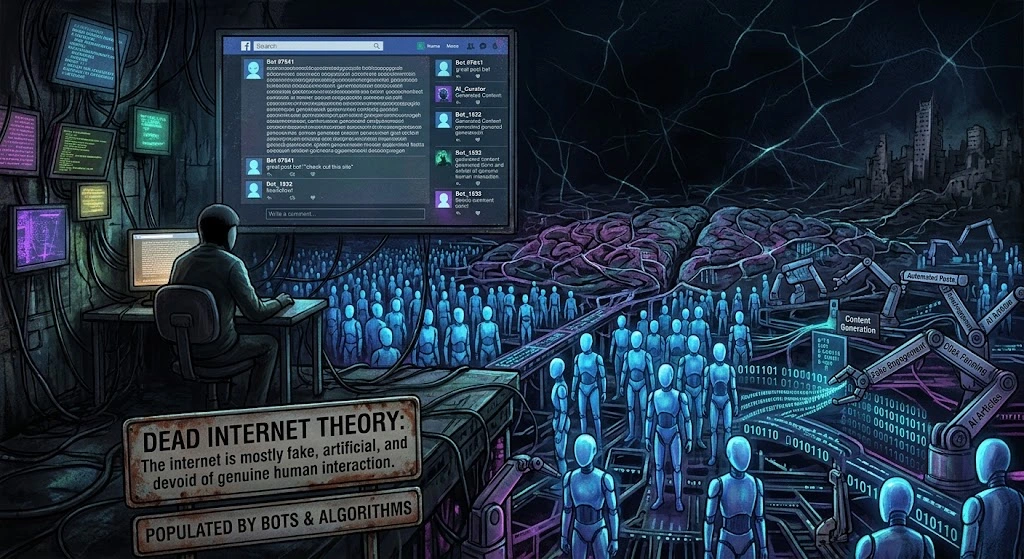
Dead Internet Theory is the idea that much of the internet (especially social media) has become dominated by bots, AI-generated content, and algorithmic curation rather than genuine human activity. In its stronger, conspiratorial form, it claims this is a coordinated effort by governments or corporations to manipulate people.
What the Theory Claims?
- A broad observation: automated accounts, engagement-farming posts, AI images/videos, and recommendation algorithms increasingly shape what people see online.
- A conspiracy claim: bots and AI are deliberately deployed to replace human interaction, steer public opinion, and control populations.
The phrase “dead” does not mean the internet has stopped functioning; it means it may have lost much of its human character, becoming more about engagement, advertising, and automated output than authentic connection.
Is the Theory True?
The full conspiracy version is not supported by evidence: it is not established that nearly all users or posts are fake, or that a single coordinated group controls the web.
But the underlying concern has become more plausible with generative AI. AI can now mass-produce plausible articles, comments, reviews, images, and videos, making it harder to distinguish human-created from synthetic content and easier to run manipulation campaigns.
Reason of Dead Internet
It captures a real feeling of online alienation: repetitive content, bot-like comments, search results stuffed with SEO pages, and feeds optimized for attention rather than meaningful interaction.
A useful way to think about it: Dead Internet Theory is partly a warning about automation and authenticity online, and partly an exaggerated conspiracy theory about who is behind it.
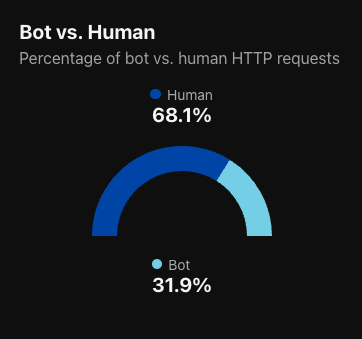
Related Topic
Dead Internet Theory Examples
- AI Images & Videos: Surreal AI-generated Facebook images with tens of thousands of likes and comments. They are a widely cited example of “AI slop” and possible bot-driven engagement.
- AI content farms: Accounts such as Inspiring Designs posted AI-generated images and articles about fictional products; like “power-tool toilets,” “cowboy-hat showers,” and “pickup-truck strollers”, across Facebook, Instagram, and TikTok to attract attention.
- “I hate texting” tweets: A viral X/Twitter format where accounts repeatedly posted variations such as “I hate texting, I just want to hold your hand.” Supporters of the theory argue that bot accounts wrote and amplified many of these posts.
- Fake AI influencers: AI-generated Instagram models and influencers present polished, seemingly human personas, sometimes used for advertising, scams, or engagement.
- Dating-app scams: Fraudsters use AI-generated photos and bios to create fake profiles on dating apps, sometimes as part of romance or cryptocurrency scams.
- Bot comments and coordinated engagement: Researchers and users have documented repetitive bot-like comments, identical replies across posts, and coordinated spam designed to make low-quality AI content appear popular.
- Engagement-bait posts: Generic prompts such as “Name a city without the letter ‘A’” or “What’s one movie you can watch over and over?” can generate large volumes of easy replies, boosting visibility in recommendation algorithms.
When Was the “Dead Internet Theory” First Proposed?
The “Dead Internet Theory” was first formally proposed on January 5, 2021, in a forum post titled “Dead Internet Theory: Most of the Internet Is Fake.” It was published by a pseudonymous user, IlluminatiPirate, on Agora Road’s Macintosh Cafe.