What is Google Waymo?
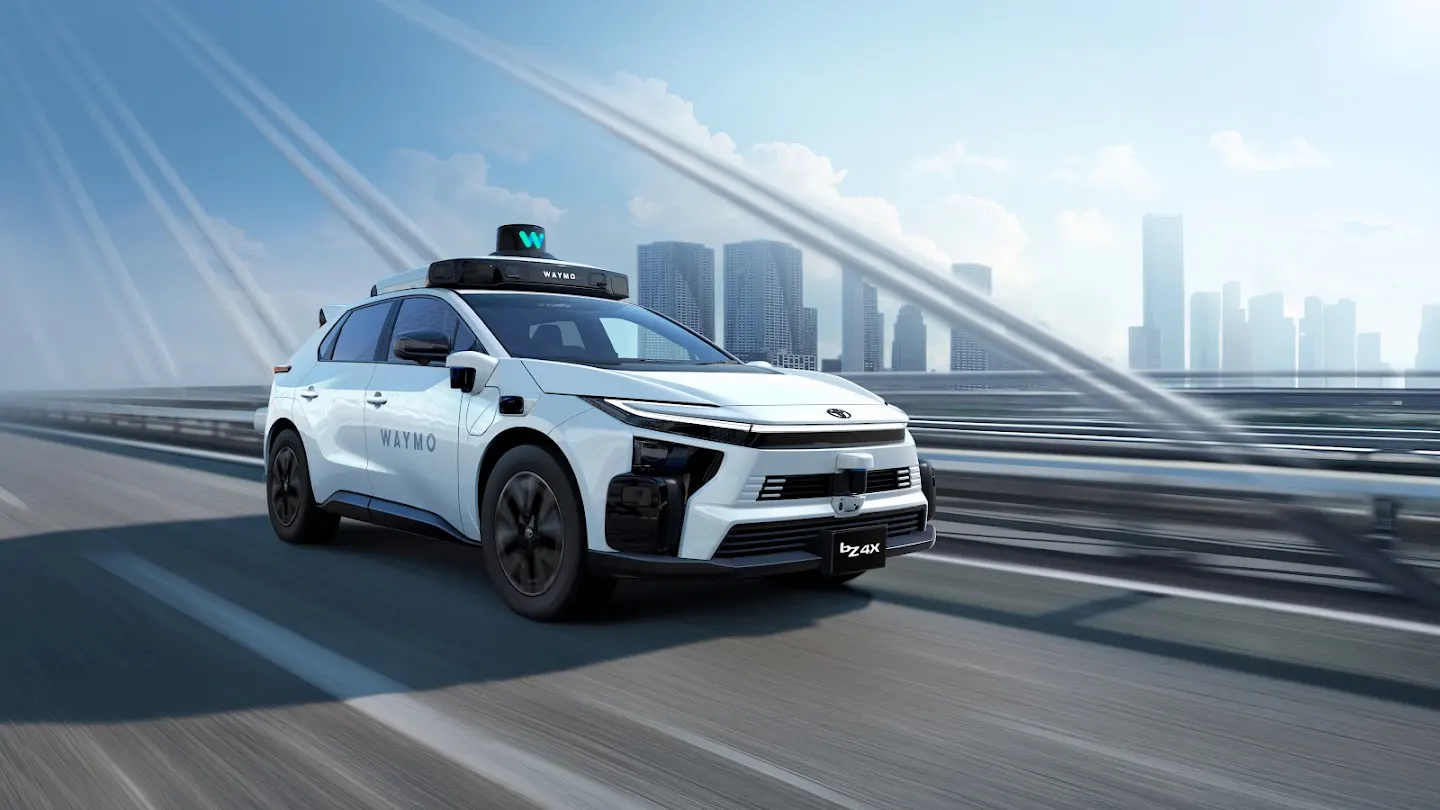
Waymo is Alphabet’s autonomous-vehicle company the business that grew out of Google’s Self-Driving Car Project and now operates fully driverless ride-hailing services in multiple U.S. cities.
Although people often call it “Google Waymo,” it has been a separate Alphabet company since 2016.
From Google Experiment to Waymo
Waymo began in 2009 as the Google Self-Driving Car Project, a “moonshot” inside Google X. Its early team modified a Toyota Prius and set a goal of completing more than 100,000 autonomous miles on public roads.
A major milestone came in 2015, when Steve Mahan took what Waymo describes as the world’s first fully self-driving ride on public roads, in Austin, Texas. The following year, the project graduated from X and became Waymo, an independent company under Alphabet.
What Waymo Actually Does?
Waymo is best known for Waymo One, a ride-hailing service in which passengers use an app to summon a vehicle that drives itself within a mapped service area. The cars use cameras, radar, lidar, and software to perceive traffic, pedestrians, cyclists, signals, and road conditions.
Its system is designed for Level 4 autonomy: the vehicle can handle the entire driving task without a human driver, but only within defined conditions such as specific cities, roads, and service areas. That is why Waymo expands city by city rather than simply selling a car that can drive anywhere.
Historical Timeline of Waymo
| Year | Milestone |
|---|---|
| 2009 | Google launches its Self-Driving Car Project within X. |
| 2015 | First fully self-driving ride on public roads takes place in Austin, Texas. |
| 2016 | The project becomes Waymo, an Alphabet company. |
| 2017 | Waymo opens an early public testing program in Phoenix with Chrysler Pacifica minivans. |
| 2018 | Waymo launches Waymo One, its commercial autonomous ride-hailing service, in Phoenix. |
| 2023 – 2024 | Waymo expands driverless service beyond Phoenix and San Francisco, including Los Angeles. |
| 2026 | Waymo scales to more U.S. metros, expands service areas, and prepares for international launches. |
How the Technology Works
Waymo’s approach combines three major layers:
- Sensing: Cameras, radar, and lidar create a real-time view of the surrounding environment.
- Mapping: High-definition maps help the vehicle understand road layout, lane geometry, traffic rules, and local context.
- AI Software: Neural networks interpret sensor data, predict what nearby people and vehicles will do, and plan safe driving maneuvers.
Waymo also relies heavily on simulation. By 2018, it reported 6 million real-world autonomous miles and 5 billion simulated miles; simulation lets the company test rare or dangerous scenarios without putting people at risk.
Progress: From Testing to Commercial Scale
Waymo’s biggest shift has been from research project to operating transportation network. In 2017, it invited members of the public in Phoenix to participate in its testing program; by 2018, it had launched a commercial robotaxi service.
By 2026, Waymo had expanded into many more U.S. markets, including Atlanta, Austin, Dallas, Houston, Miami, Nashville, Orlando, San Antonio, Denver, San Diego, Tampa, and Las Vegas. In September 2026, its public operations reached 14 U.S. cities, with a fleet of more than 4,000 Jaguar I-Pace vehicles and the newer Ojai minivan.
Recent Developments
Waymo has been expanding both its fleet and its geographic footprint. In May 2026, it said its coverage would exceed 1,400 square miles across 11 cities.
In October 2026, it announced nearly 250 additional square miles of service across Los Angeles, Nashville, Orlando, San Diego, and the San Francisco Bay Area. The expansion included Torrance in Los Angeles, La Jolla in San Diego, and a new BART connection at Berryessa Station in the Bay Area.
The company is also preparing to move beyond the United States. Waymo says it is laying groundwork for a fully autonomous ride-hailing service in Toronto, with a goal of welcoming its first riders in 2028; it has also been reported to be planning launches in London and Munich.
Safety: The Central Promise
Waymo’s core argument is that removing human error can reduce crashes. Its 2026 safety analysis covered more than 270 million fully autonomous miles through June 2026 across Atlanta, Austin, Los Angeles, Phoenix, and San Francisco.
The company reported 841 fewer injury-causing crashes than a human-driver benchmark, an 82% reduction regardless of fault. Earlier research also found large reductions in injury-reported crashes, though independent experts continue to emphasize that autonomous-vehicle safety must be evaluated over very large distances and across varied road conditions.
Challenges Ahead
Waymo still faces important obstacles:
- Geographic limits: Its cars operate in carefully mapped, geofenced areas rather than everywhere.
- Weather and complex roads: Snow, heavy rain, construction, unusual road behavior, and unpredictable human drivers remain difficult problems.
- Cost and scale: Robotaxis require expensive sensors, maps, operations centers, cleaning, charging, maintenance, and local regulatory approval.
- Public trust: High-profile incidents and recalls can affect confidence even when the overall safety record is strong; Waymo recalled 3,871 vehicles in 2026 after reports that some entered closed freeway construction zones.
Why Waymo Matters
Waymo matters because it turned a long-running Google research idea into one of the first commercially available driverless ride services. Its progress shows that autonomous vehicles are no longer only laboratory demonstrations they are becoming part of everyday urban transportation, one city and one service area at a time.
Previous Waymo Prototypes
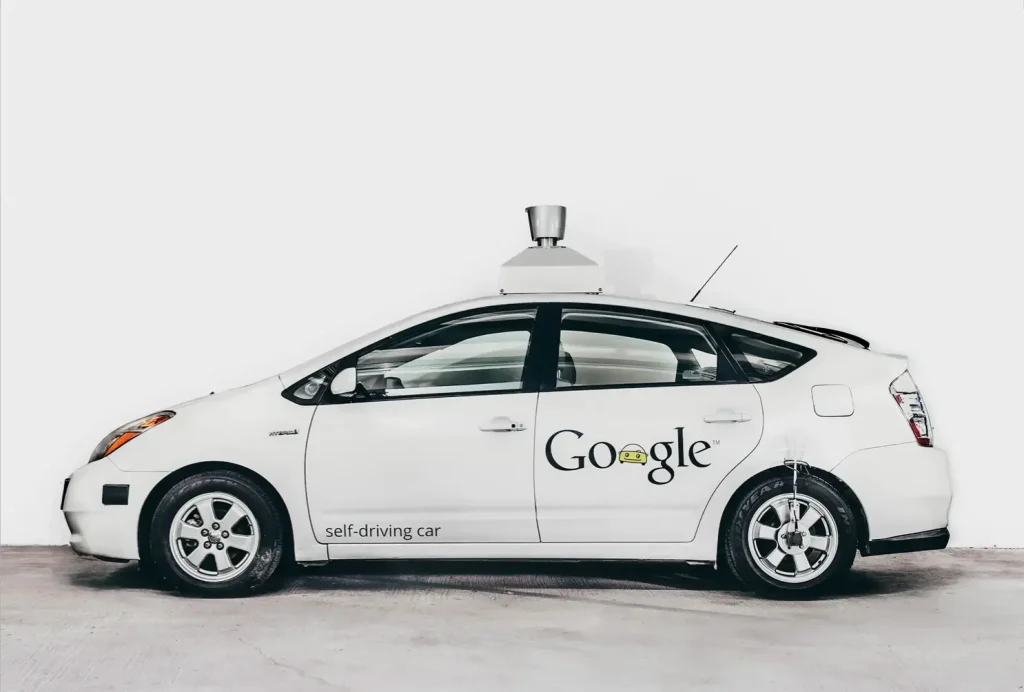
Toyota Pirius, 2009
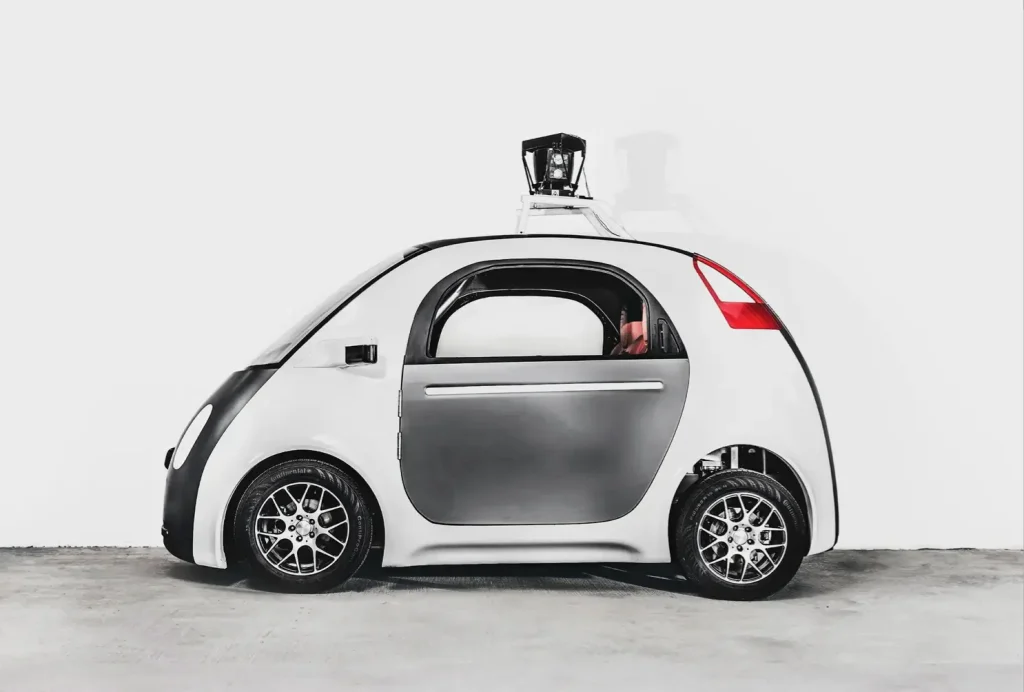
Firefly “Beautified Mule,” 2013