Mastering the Cold Email: Your Ultimate Guide to Modern Outreach
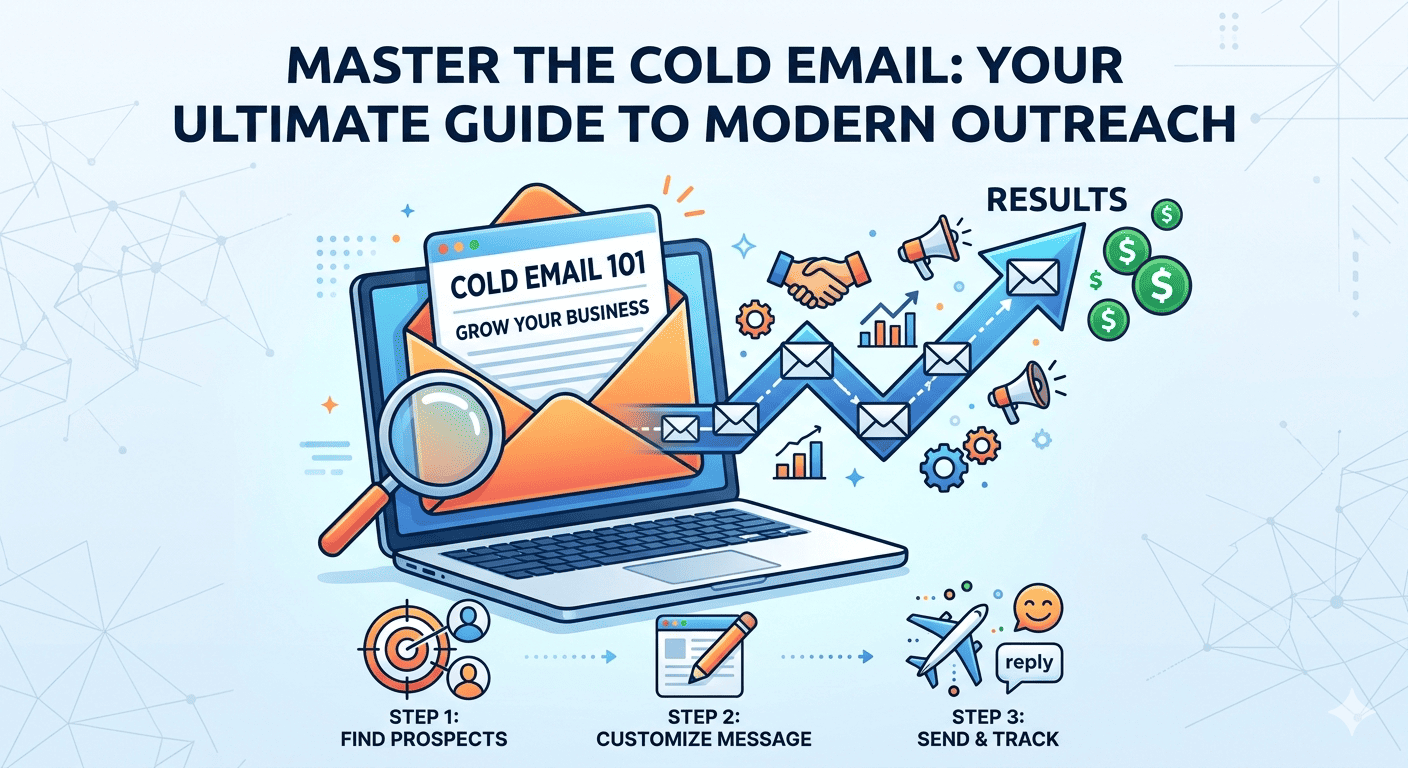
In a world dominated by social media algorithms, there is one “old school” channel that still reigns supreme for business growth: Cold Email. But forget what you know about spam. Modern cold emailing is a precise, sophisticated, and highly personal way to build relationships from scratch. Whether you’re a founder looking for investors or a salesperson hunting for leads, here is everything you need to know.
What is Cold Email?
At its core, a cold email is an initial contact sent to a person with whom you have no prior relationship. Unlike “warm” email (newsletters you’ve subscribed to), cold email is a proactive outreach strategy.
Why does it work?
- Direct Access: It bypasses “gatekeepers” and lands directly in a decision-maker’s inbox.
- Scalability: You can reach hundreds of targeted prospects without the time sink of manual networking.
- Cost-Effective: Compared to paid ads, the ROI of a well-executed cold email campaign can be massive.
Note: Cold email is NOT spam. Spam is sent in bulk to random addresses without a specific reason. A professional cold email is targeted, researched, and offers genuine value to the recipient.
What is Used for Cold Email? (The Tech Stack)
You can’t just open your personal Gmail and start blasting 500 people you’ll get flagged as a spammer in minutes. Professional outreach requires a specific “Tech Stack.”
1. Data & Lead Sourcing
Before you send, you need to know who you’re emailing. Tools like Apollo.io, Lusha, or LinkedIn Sales Navigator help you find verified business email addresses based on job titles, industry, and company size.
2. Email Sending & Automation
These tools allow you to send personalized “sequences” (follow-ups) automatically.
- Instantly.ai or Smartlead: Popular for high-volume sending and “warm-up” features.
- Lemlist: Great for advanced personalization, like custom images.
- Woodpecker: A classic choice for B2B sales teams.
3. Deliverability Tools
To ensure your emails don’t hit the junk folder, you must “warm up” your domain. Tools like Mailreach or built-in warm-up features in the platforms mentioned above simulate human conversation to build your sender reputation.
FAQs: Everything You’re Wondering About
Is cold emailing legal?
Yes, as long as you follow regulations like CAN-SPAM (USA) or GDPR (Europe). Generally, this means including a clear way to opt-out, identifying yourself, and ensuring your message is relevant to their business.
How long should a cold email be?
Short. Very short. Aim for 50–125 words. Decision-makers are busy; if they can’t read your “ask” in 10 seconds, they’ll delete it.
What is a good open rate?
While it varies by industry, a healthy campaign should see:
- Open Rate: 50% – 80%
- Reply Rate: 3% – 10%
How many follow-ups should I send?
Persistence pays off. Most deals are closed in the follow-up. A standard sequence usually includes 3 to 5 emails spaced out over two weeks.
Quick Tips for Success
| Element | The Goal |
| Subject Line | Curiosity or Utility. Avoid “Salesy” language. |
| The Hook | Mention something specific about their recent work or company. |
| The Value | Focus on the problem you solve, not your features. |
| The CTA | Keep it “Low Friction” (e.g., “Open to a brief chat?” vs “Book a 30 min demo”). |
Related Topics