How to Become a “Preferred Source” on Google: A New Way to Build Reader Loyalty
In the ever-evolving world of SEO, we often focus on algorithms, keywords, and technical performance. While those remain vital, Google has introduced a more “human” element to how content surfaces: Preferred Sources.
If you are a news publisher or a high-volume content creator, this feature is a direct line to your most loyal readers. Here is everything you need to know about what Preferred Sources are and how to use them to grow your traffic.
Note: Google has been supporting Preferred Source as of April 30, 2026, in all languages.
What are Preferred Sources?
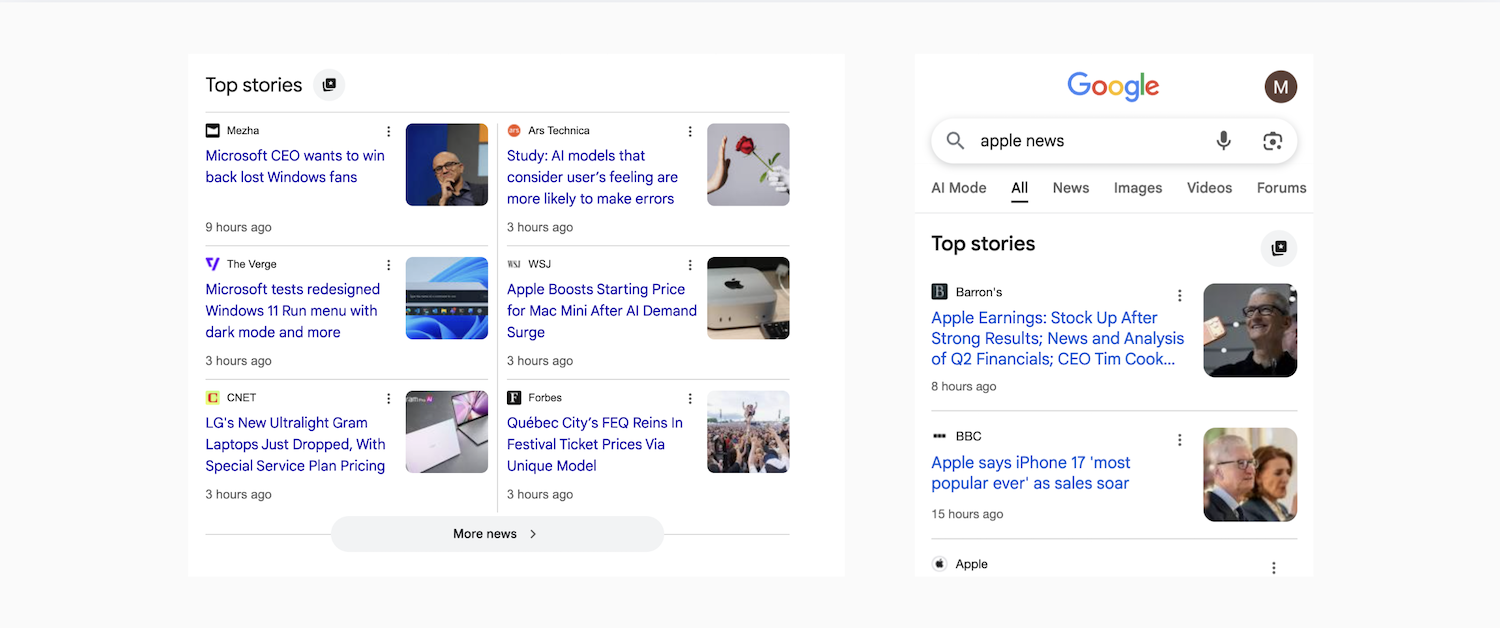
Preferred Sources allow Google Search users to customize their experience. When a user selects your website as a preferred source, Google prioritizes your content for that specific user within the “Top Stories” section and other news-related queries.
Think of it as a “Follow” button for Google Search results. It ensures that when your readers look for news, they see your perspective first.
Is Your Site Eligible?
Before you start your campaign, check your site’s structure. Google currently restricts eligibility to root domains; subdomains are eligible, but subfolders are not.
- Root Domains:
example.com - Subdomains:
news.example.comorblog.example.com Subfolder:example.com/blog
How to Drive User Adoption
Google won’t automatically prompt users to follow you; you need to lead them there. Here are three ways to get started:
1. Use the Magic Link
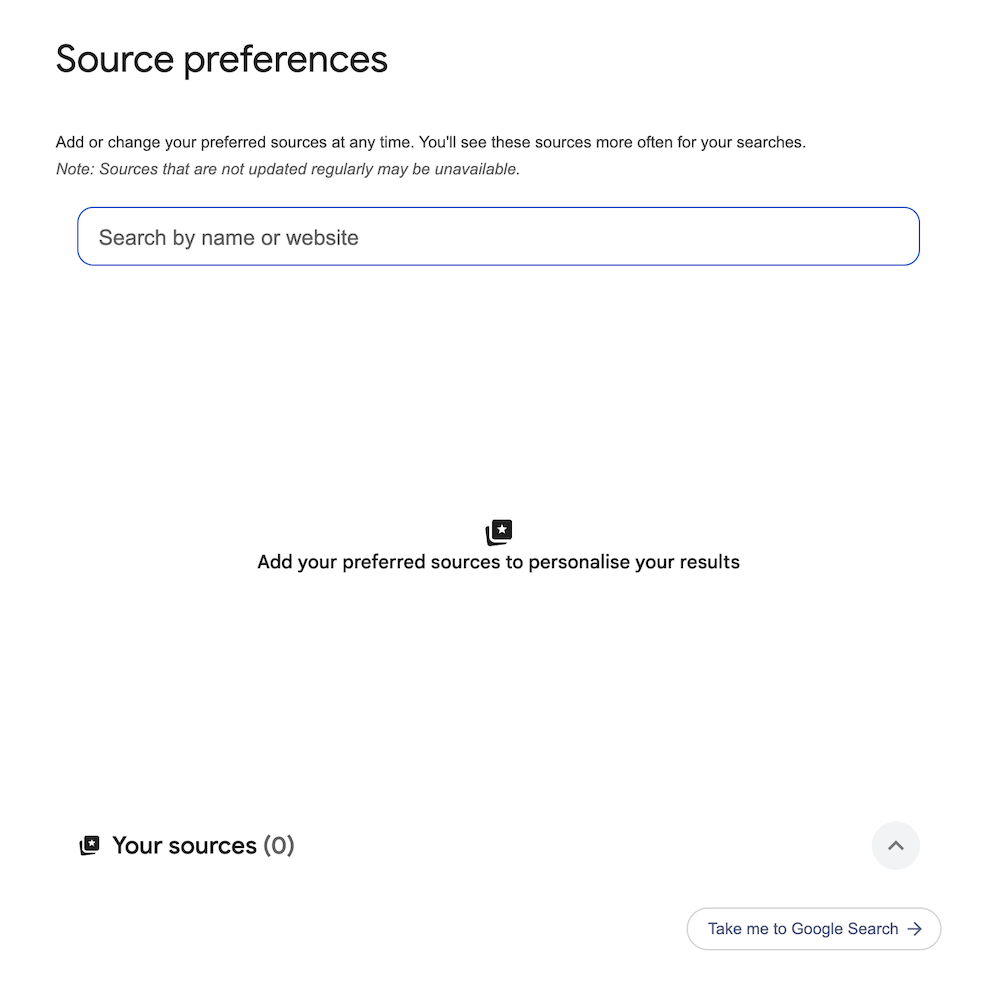
Google has provided a specific URL format that takes users directly to your site’s listing in the source preferences tool.
Use this link in your newsletters, social media bios, and at the end of articles: https://google.com/preferences/source?q=yourdomain.com
Example: https://google.com/preferences/source?q=juniortoexpert.com
2. Add a “Follow on Google” Button
Just like you have buttons for X (Twitter), LinkedIn, or Instagram, you can now add a “Preferred Source” button.
Google provides official assets for this, but you can also design your own to match your site’s aesthetic. Place this in your sidebar or at the footer of your articles.

3. Educate Your Audience
Most readers don’t know this feature exists. Write a short “How to stay updated” post or include a blurb in your email newsletter explaining that by selecting you as a preferred source, they’ll never miss your breaking news coverage on Google.
Why This Matters for Your SEO Strategy?
While standard SEO helps you reach new audiences, Preferred Sources help you retain your existing one. In an era where search layouts are constantly changing, having a “locked-in” spot in a user’s Top Stories feed is an invaluable advantage.
By encouraging your readers to make you a preferred source today, you are future-proofing your traffic and building a more resilient relationship with your audience.